2026-09-26 ·
How to Spot Sewer Line Problems After Wilmington Rainstorms
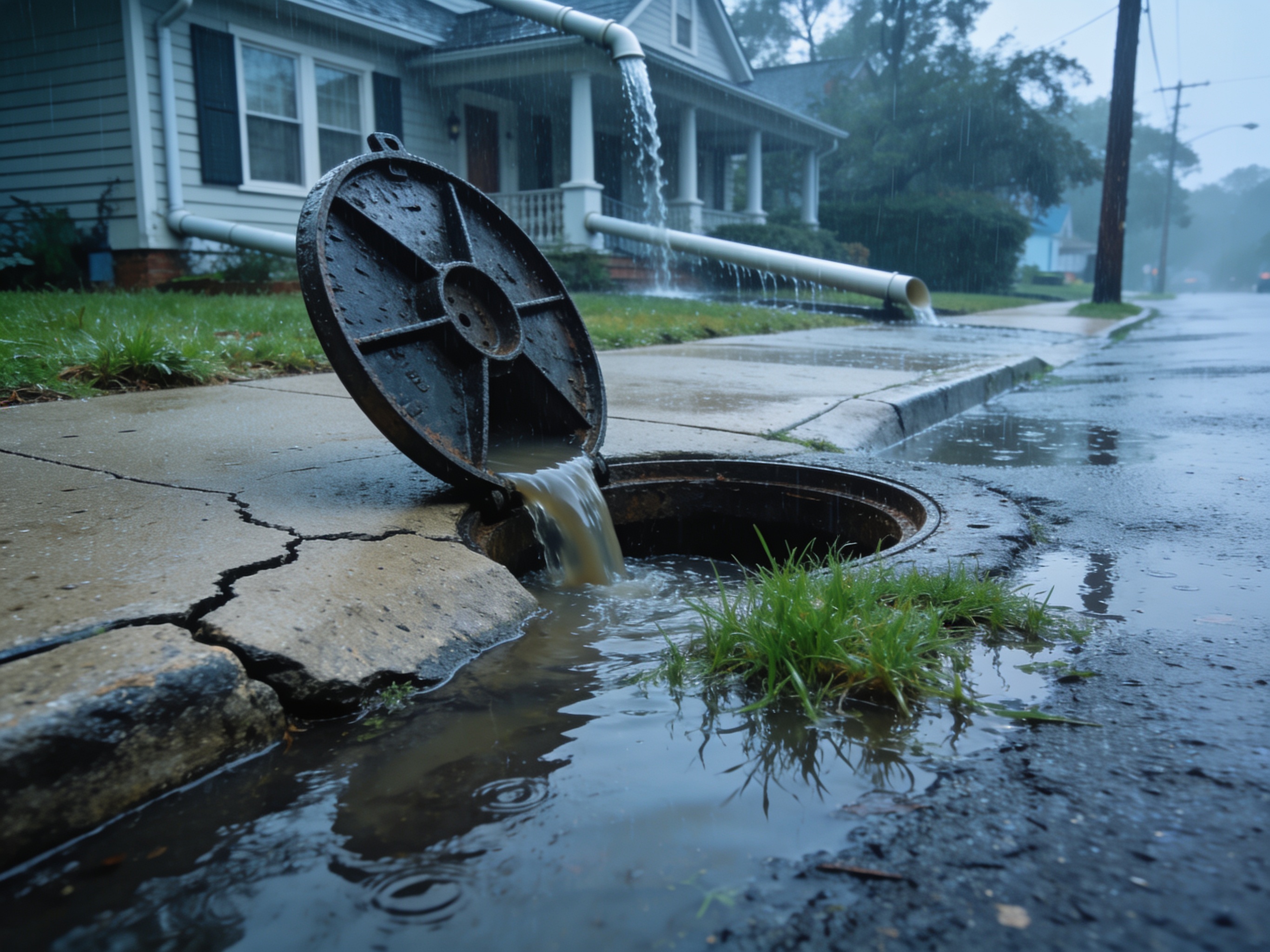
After Wilmington rainstorms, slow drains in multiple fixtures, gurgling noises from toilets, and sewage odors near floor drains signal sewer line problems in many local homes. These signs appear because sudden water volume stresses aging pipes common in Downtown Wilmington and the Banning Park area. The mild Mediterranean climate means dry summers leave soil compacted, so heavy winter rains push excess water into cracks or joints that have shifted over decades.
Drainage Changes After Storms
Rainfall in Wilmington often arrives in short, heavy bursts that overwhelm older sewer lines running under streets near the Port of Los Angeles. Homeowners notice water backing up in showers or tubs on the lowest level first because gravity directs flow toward the main line. In houses around Banning Park, tree roots from mature landscaping seek moisture and enter small openings, then expand when extra storm water arrives. Check multiple fixtures within 24 hours of a storm; if only one drain slows while others remain clear, the issue is likely localized rather than in the main sewer. Persistent gurgling even after the rain stops points to air trapped by partial blockages further down the line.
Odors and Visual Clues in Local Homes
Sewage smells rising from floor drains or yard cleanouts after rain often trace to cracks in clay or cast-iron lines installed before 1960 in Wilmington neighborhoods. These older pipes sit in soil that expands and contracts with the region's wet-dry cycles, creating gaps water exploits. Look for patches of unusually green grass or soggy spots in the yard near the sewer path, especially between the house and the street in the Banning Park area. In homes close to Wilmington Waterfront Park, higher water tables during storms can force groundwater into damaged joints and carry waste upward. Document any wet areas with photos taken the same day to track whether the problem grows after the next rainfall.
Soil and Terrain Factors Near the Port
Wilmington's flat terrain and proximity to the Port of Los Angeles mean storm water drains slowly, increasing pressure on underground lines that already carry flow from nearby Carson and Long Beach. Clay-heavy soils common here retain moisture longer than sandy ground, keeping pipes saturated and accelerating corrosion in metal sections. Pre-1960 houses in Downtown Wilmington frequently have galvanized or clay laterals that crack when roots from street trees push through during the wet season. A single heavy rain can move enough soil to shift pipe sections slightly, creating new leaks that were not visible during dry months. Residents who notice repeated issues after storms should consider how their property's slope directs runoff toward the sewer connection point.
Next Steps for Wilmington Homeowners
Schedule a Sewer Camera Inspection once multiple signs appear, as visual confirmation reveals exact locations of cracks or root intrusion without excavation. Clearing Tree Root Clogs in Wilmington Sewer Lines explains how roots interact with local pipe materials after wet periods. Compare findings with What Wilmington Residents Pay for Main Water Line Repairs to understand typical costs for similar work in the area. Early detection prevents larger backups that affect multiple homes along the same main line running toward the Port of Los Angeles.